
A wave of technology outages and urgent security alerts raises questions about AI's role in infrastructure stability, with the CSA even investigating a possible link but finding no proven connection.

Joey D'Antoni explains why public-sector ransomware recovery requires isolated backup systems, clean restoration and repeated testing -- not simply a successful backup job.

Microsoft expands Azure's AI-powered operations, application modernization, hybrid cloud governance, agent security and enterprise AI data capabilities at Ignite 2026.

On-premises database spending growth nearly doubled in 2025 as AI workloads and sovereignty demands reshape the cloud operational database market.

Two planned collaborations build on Data Activate to deliver protected enterprise data to analytics and AI applications while preserving governance and context.

Rubrik's latest announcements combine generally available AWS application recovery and BigQuery backup with planned investigation and recovery tools for cloud and developer environments.

New capabilities target Microsoft Foundry and Amazon Bedrock AgentCore, connecting agent activity with recovery of affected enterprise resources.

Commvault's planned orchestration capability will coordinate recovery of applications, identities, infrastructure, configurations and data through automated runbooks.
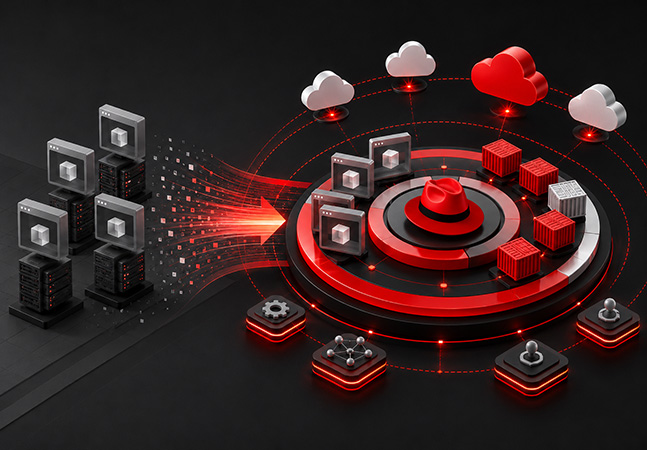
Red Hat brings AI-assisted investigations and update planning to OpenShift 5, with human approval for changes and separate preview status for autonomous workflows.

A survey of 492 cloud native practitioners finds VMs running 53% of production applications on average, alongside growing plans for MicroVM sandboxing and confidential computing.

Rubrik has introduced a hosted backup offering for on-premises network-attached storage, combining immutable backups, ransomware detection and cross-platform recovery without requiring customers to maintain dedicated backup storage hardware.

Maester 3.0 adds a built-in engine for 747 security tests, while Maester Cloud helps organizations run and compare assessments across multiple Microsoft 365 tenants.
- By Paul Schnackenburg
- 11/03/2026

Cisco's new Privileged Infrastructure Access uses identity-bound sessions and temporary permissions to govern work by administrators, AI agents and automation scripts.
Google's planned service combines isolated agent workspaces with rapid pause-and-resume operations, alongside expanded governance and token controls.

A survey of enterprise developers and managers finds widespread agent access alongside security worries, staging delays and AI-generated code that never reaches production.

A survey of ransomware victims details exploited AI agents, personal intimidation and gaps in identity recovery.

IT leaders are putting AI into observability stacks, but comfort drops sharply when it can change production systems.

New Intelligent ResOps offering helps IT teams track AI-driven changes, identify sensitive data, reduce storage waste and recover individual files.
Risk-based authentication checks sensitive actions as they happen, while narrow permissions limit what AI agents can do on a user's behalf.

The 2026 findings also highlight Docker and Kubernetes usage, interest in alternative infrastructure tools and limited AI adoption for production operations.